

Streamlining Insurance Claims Through Intelligent Automation
This case study dives into the challenges, solutions, and outcomes of redesigning a feature-rich fintech experience.
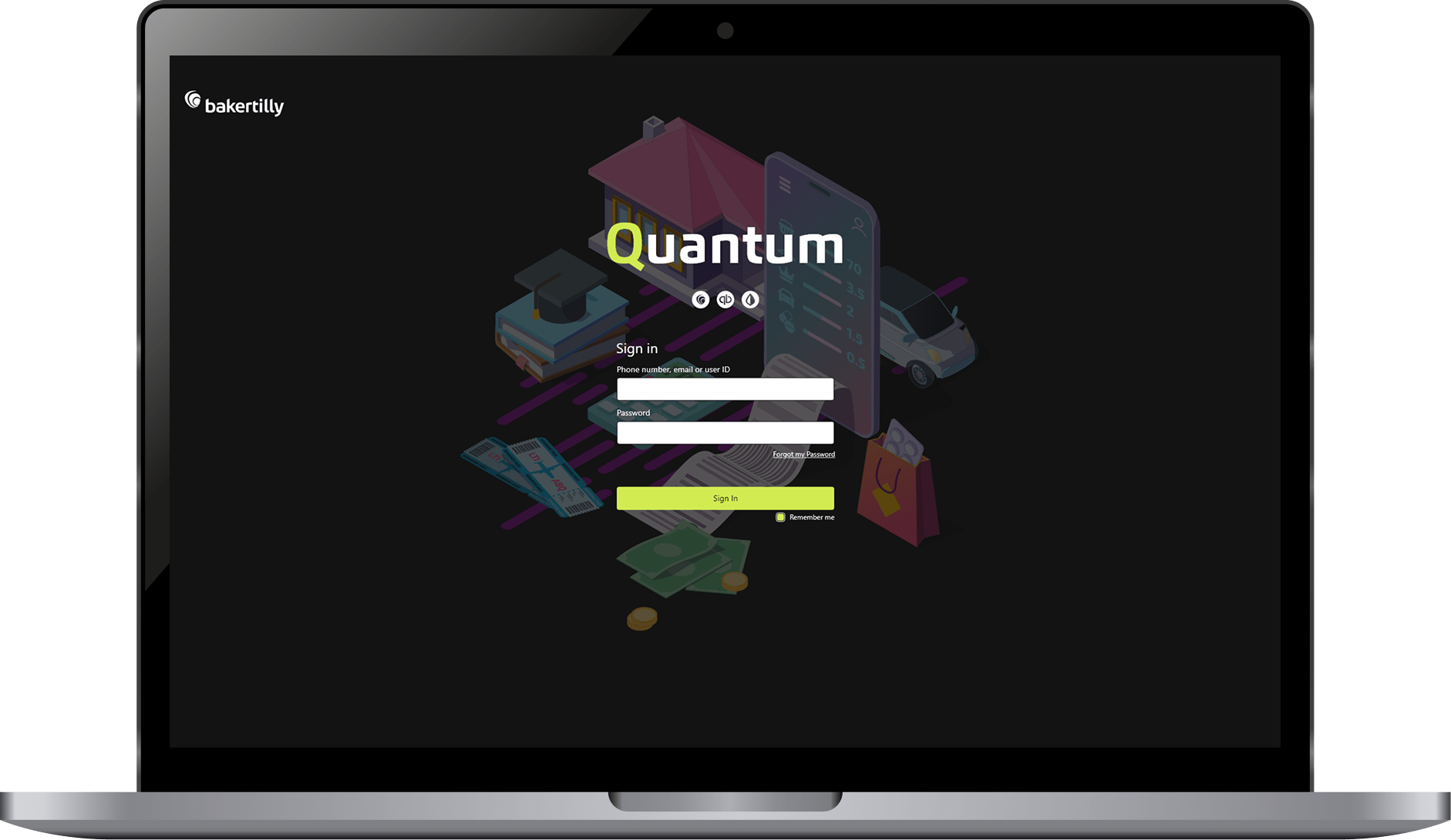
Baker Tilly Quantum is an innovative platform designed to streamline the process of calculating business interruption claims.
It combines automation with professional expertise to provide efficient, data-driven solutions for the insurance industry.
Role: Sole UX/UI designer + Brand Designer
Industry: Fintech, CRM, Insurance, and risk management
Tools: Figma, Adobe XD, Zoom
Duration: 2021 – 2022
I was entrusted with designing and rebranding key screens for Baker Tilly Quantum, a platform dedicated to streamlining business interruption claim calculations within the insurance industry. My responsibilities included designing:
- Login Screen
- Landing Screen
- Case Listing Screen
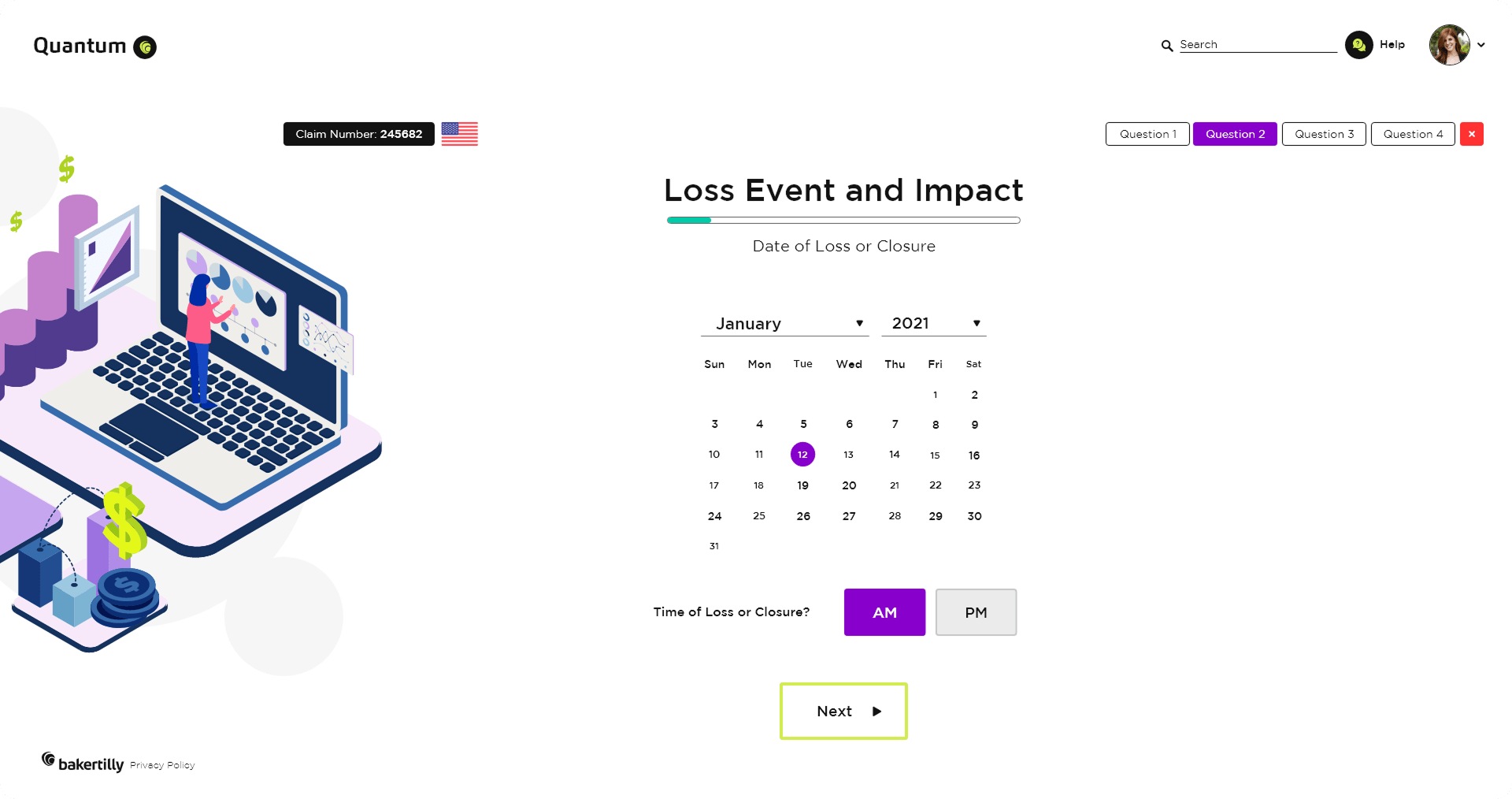
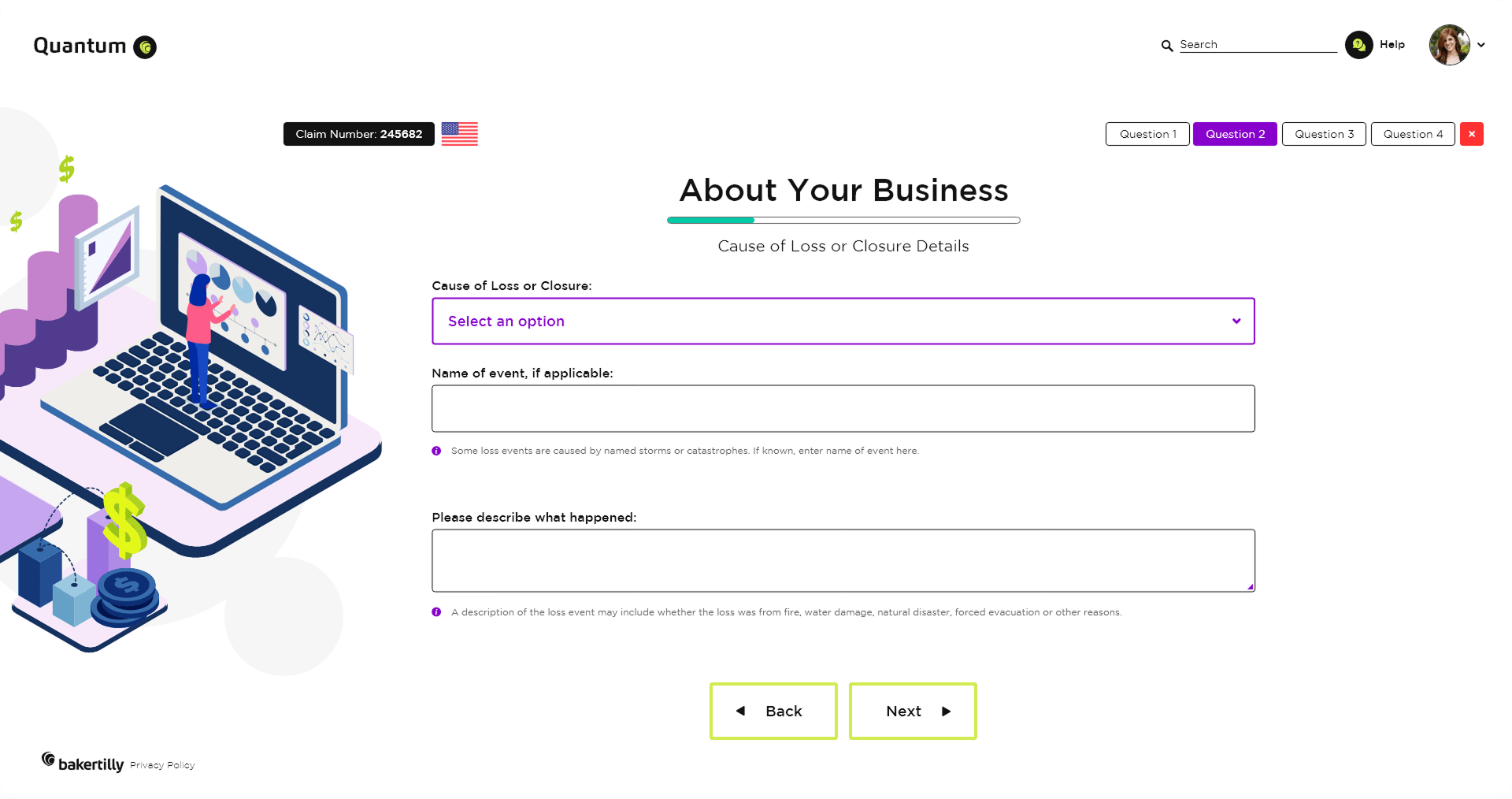
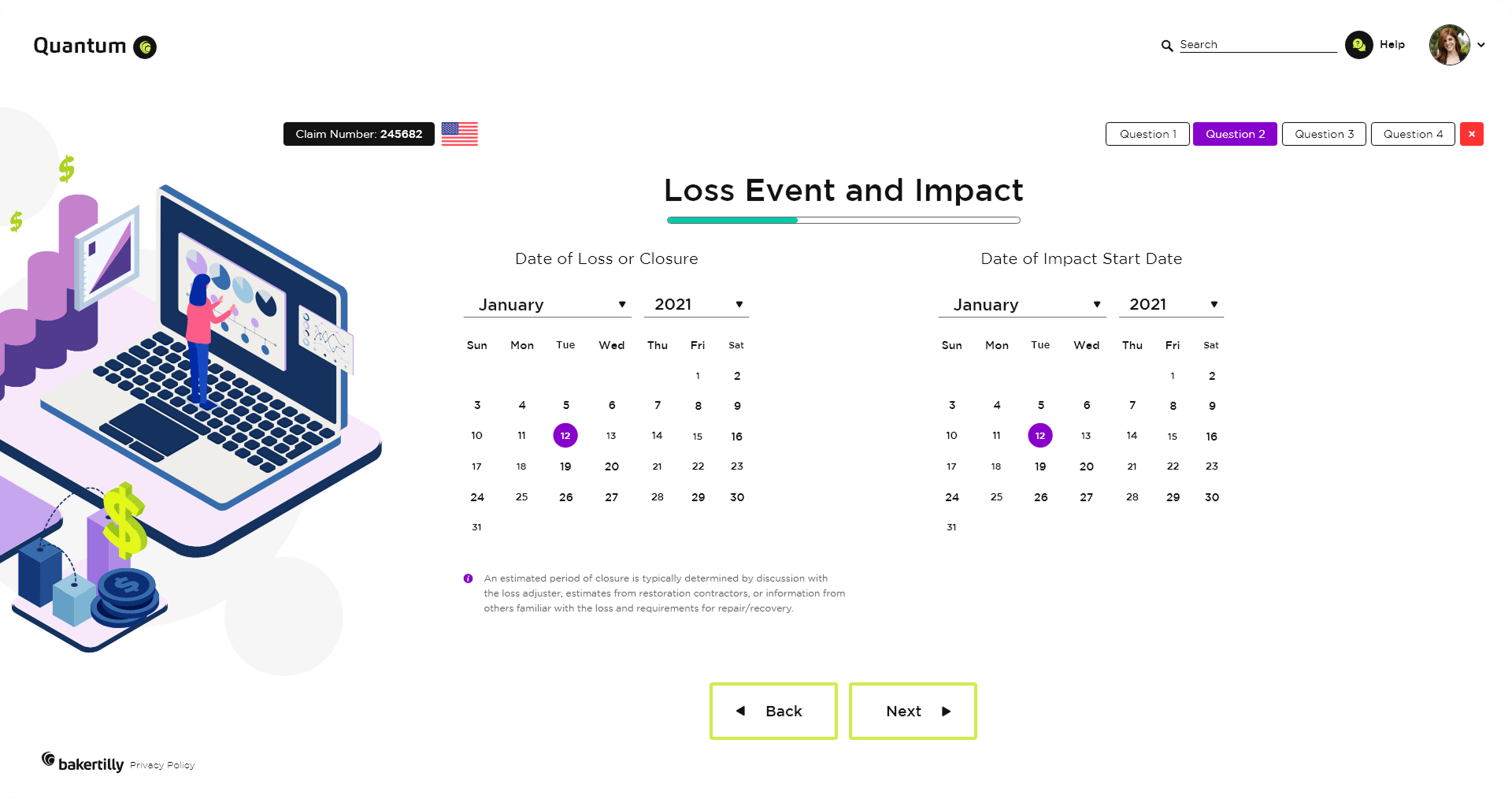
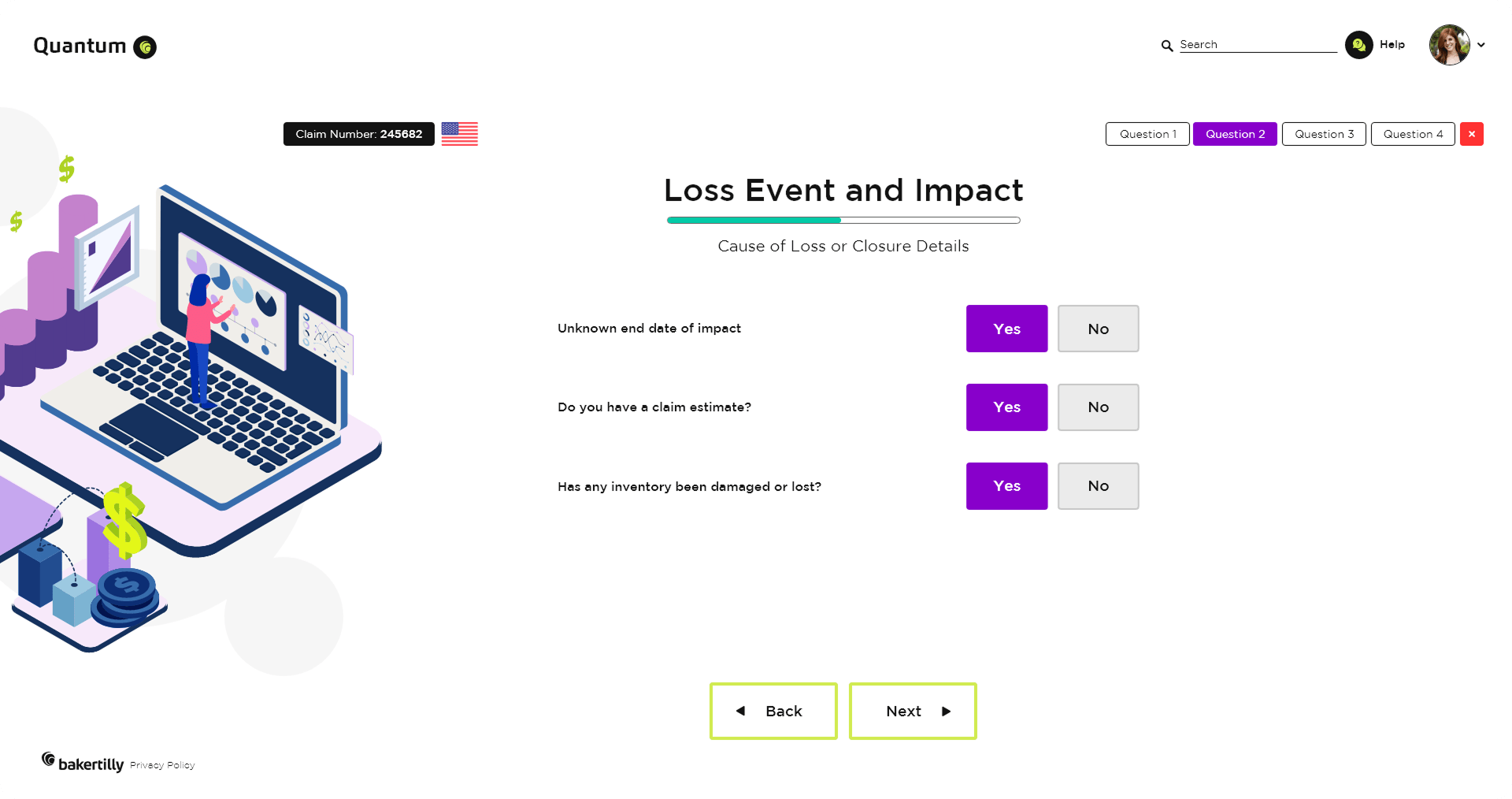
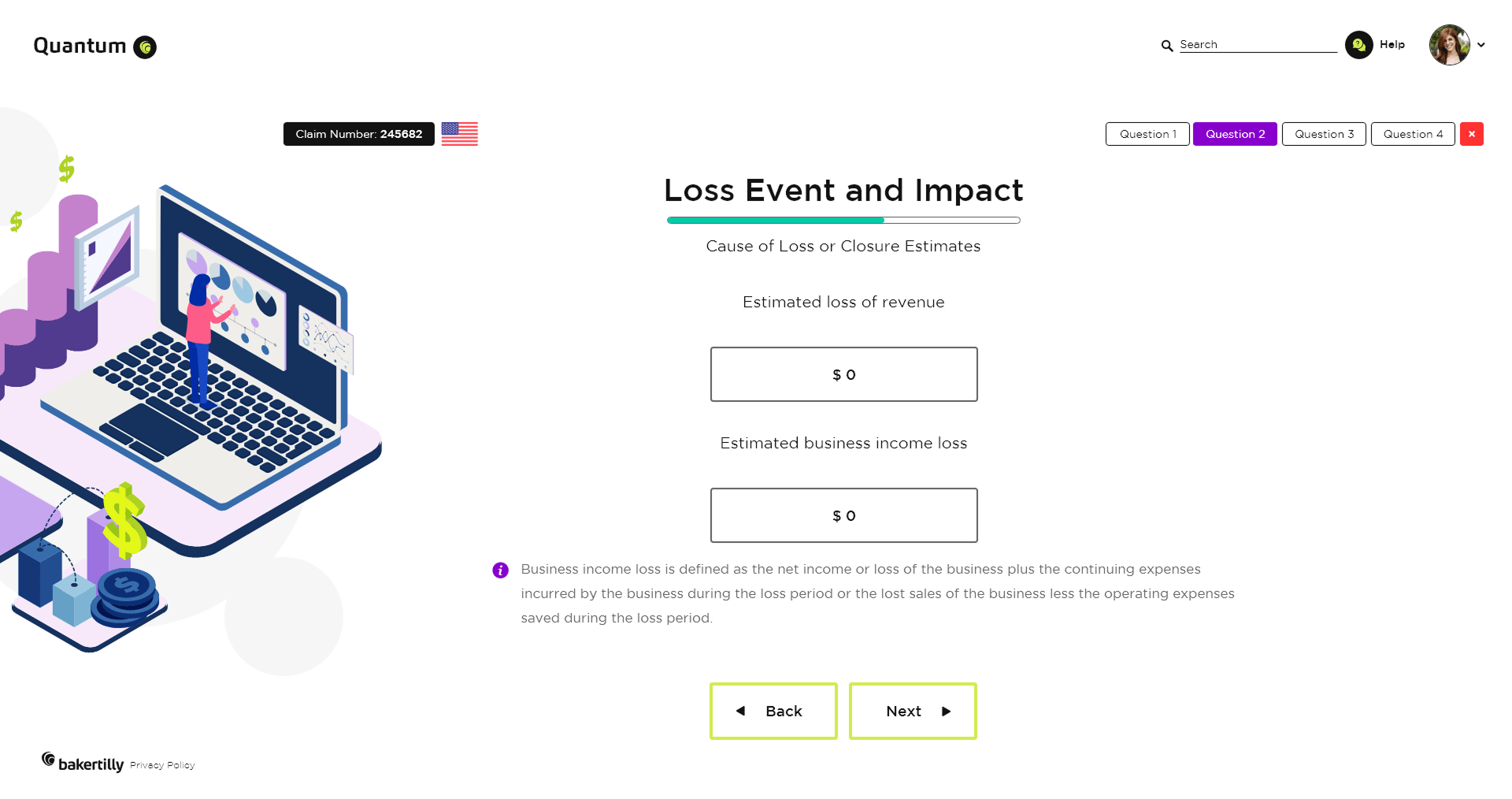
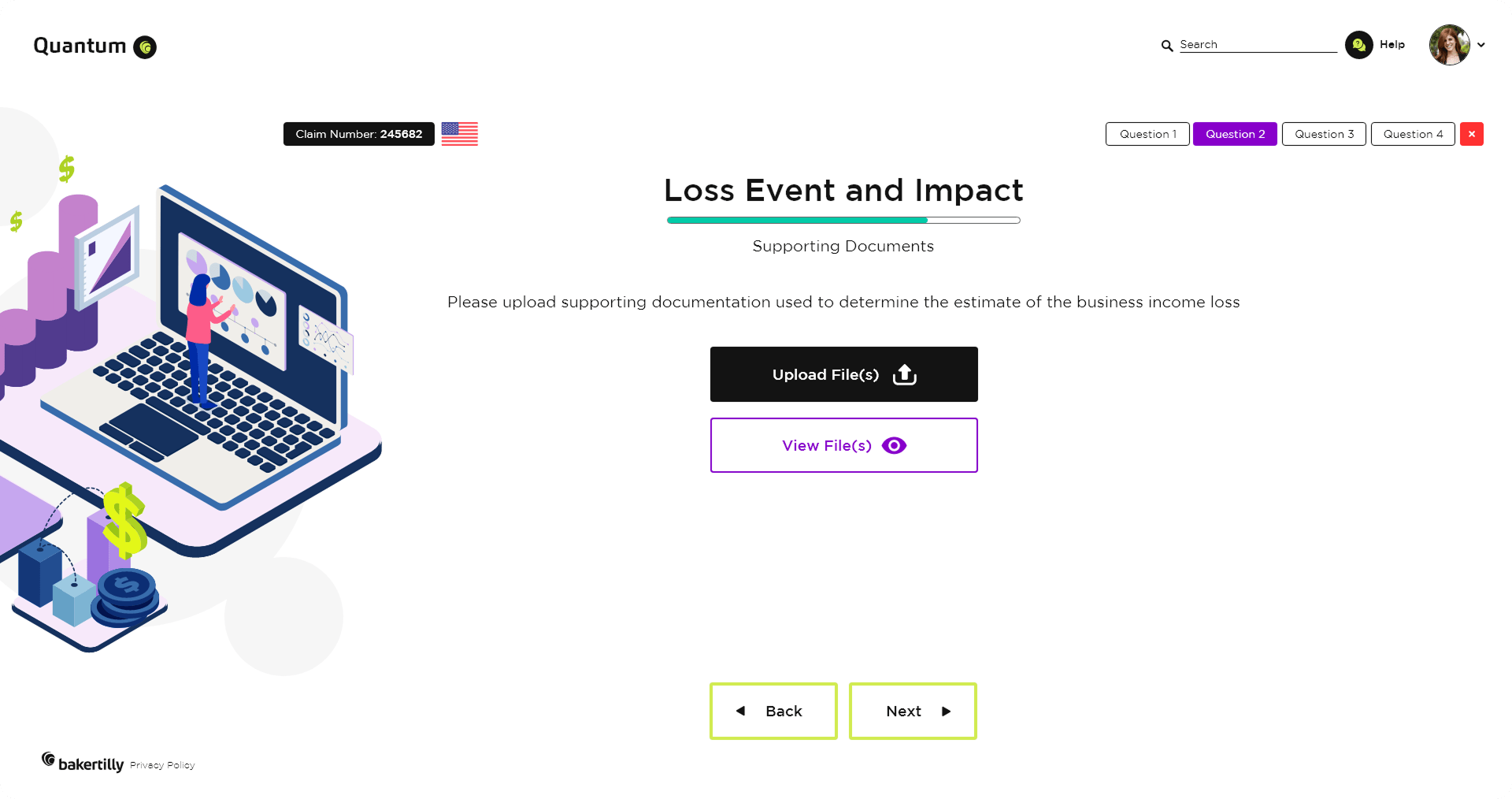
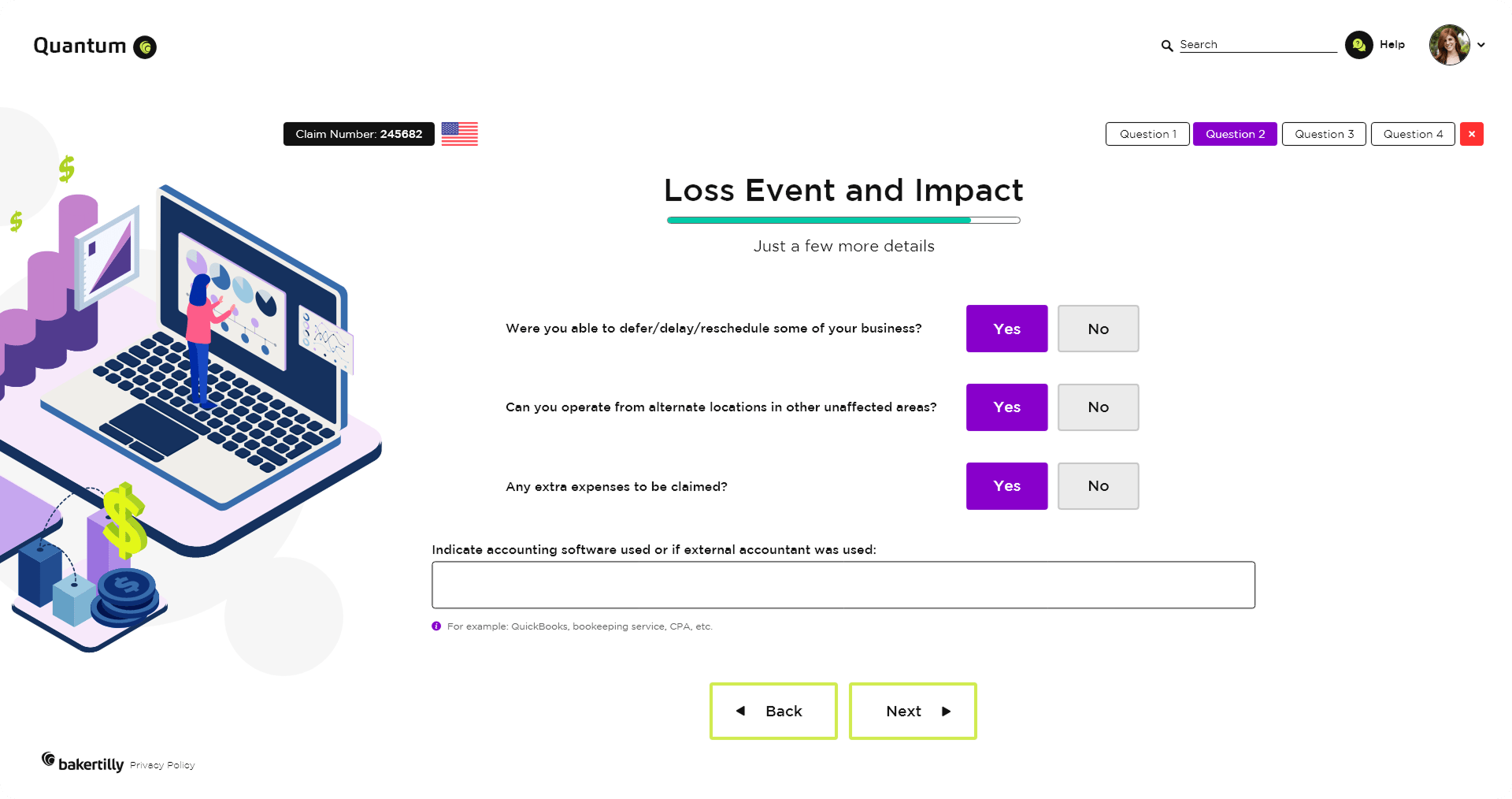
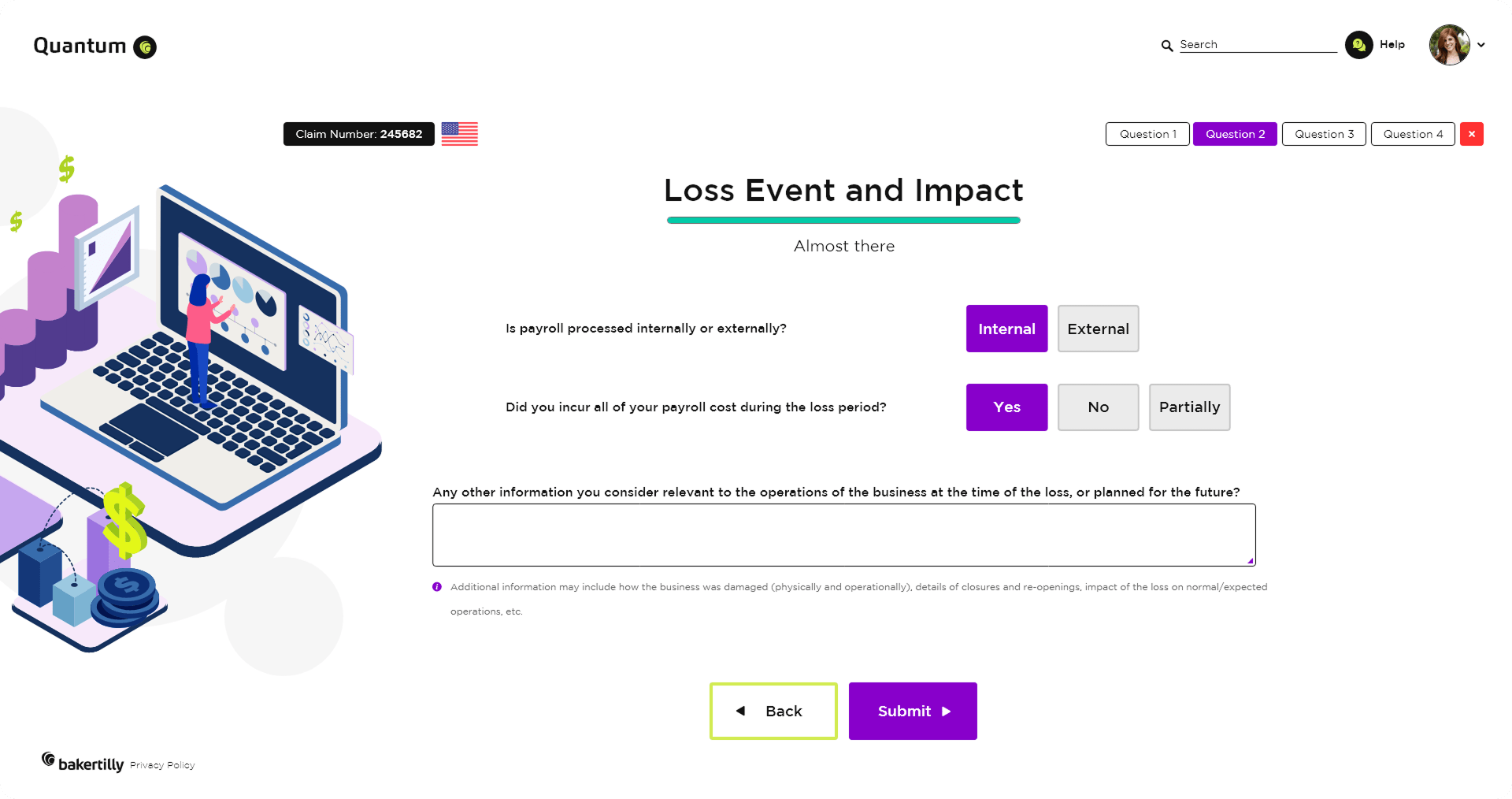
- Questionnaire Wizard
Through these designs, I ensured that Baker Tilly Quantum’s user experience aligned with its reputation for innovation and professionalism, delivering a platform that is both visually appealing and highly functional.
NOTES
To make Quantum both effective and user-friendly for users, I focused on incorporating these key features:
- User-Friendly Design: Ensure screens are clear and easy to navigate.
- Consistency: Align visual elements with Baker Tilly Quantum’s branding, including colors and fonts.
- Accessibility: Use readable fonts, strong contrasts, and intuitive layouts for all users.
- Organized Data: Keep information tidy and easy to manage, especially on the Case Listing Screen.
- Guidance: Add progress indicators and clear prompts for the Questionnaire Wizard.
- Interactivity: Provide real-time feedback and smooth transitions for user actions.
STREAMLINED ENTRY & CORE WORKFLOWS
Designing a clear, intuitive first impression that supports efficiency, focus, and brand trust.
Key entry points and core screens were redesigned with a focus on usability, efficiency, and consistency. Design decisions were guided by common UX performance goals—reducing cognitive load, improving scanability, and enabling users to move through the platform with minimal effort while reinforcing the Quantum brand.
UX / UI APPROACH
The UX approach emphasized clarity, predictability, and task efficiency. Screens were structured to highlight primary actions, limit visual noise, and guide users through natural interaction paths. Consistent spacing, typography, and component patterns support faster recognition and reduce the learning curve, enabling users to engage with the platform more effectively from their first session.
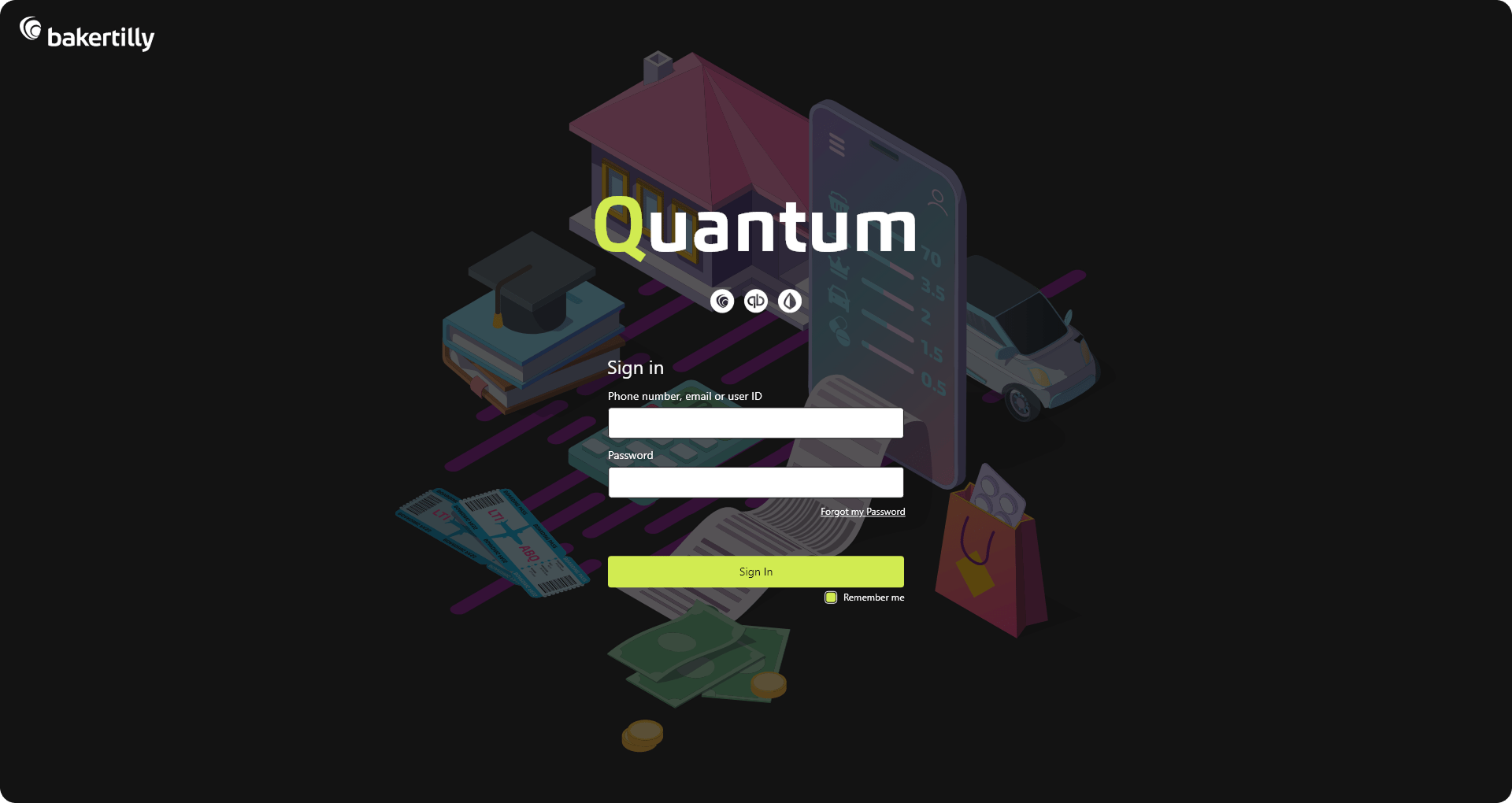
The login experience was redesigned to streamline access and reduce time to entry. A simplified layout, clear visual hierarchy, and accessible form design help users sign in quickly and confidently, minimizing friction at the first point of interaction.
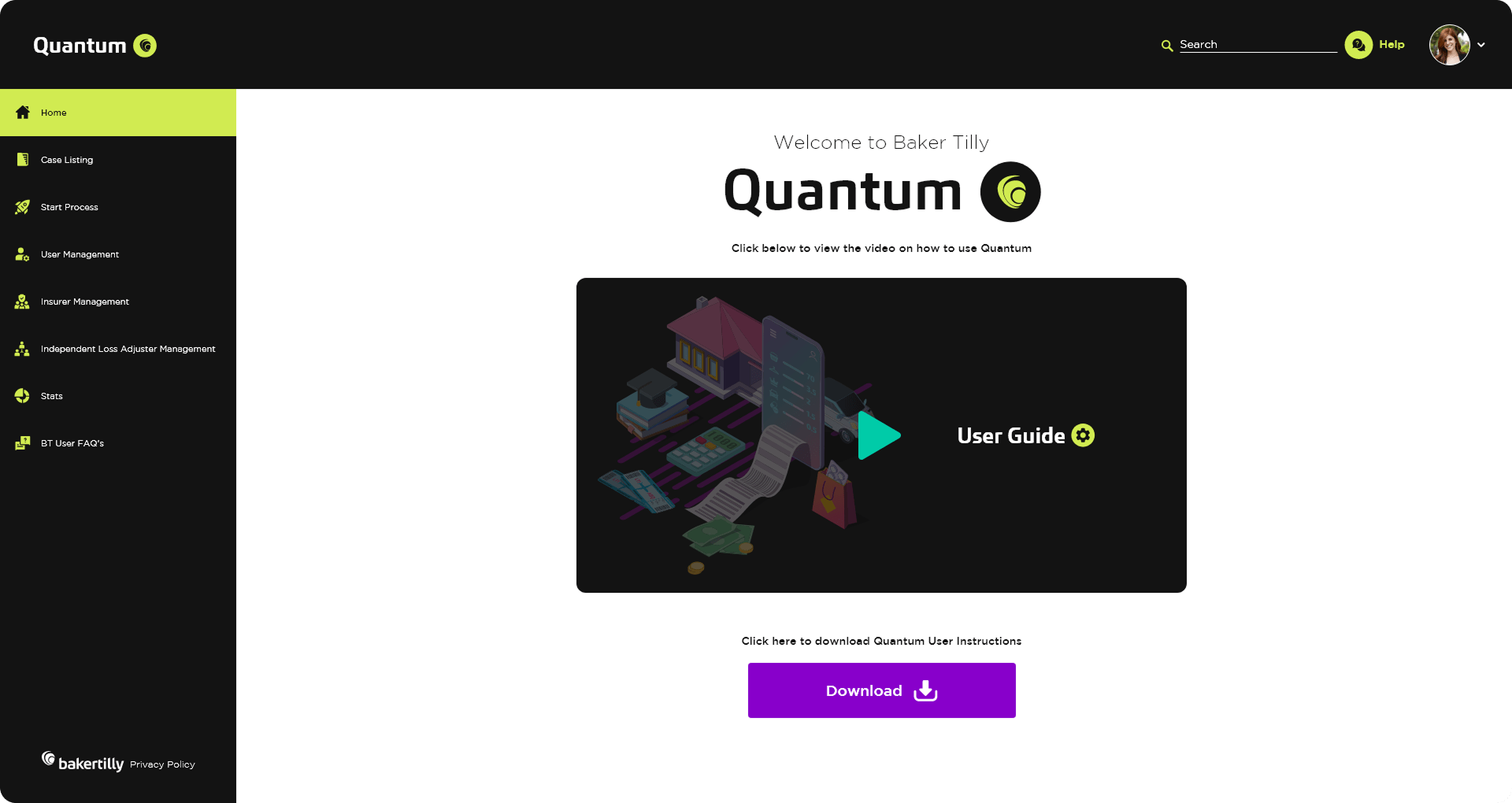
The accompanying landing page was designed to improve user orientation and comprehension. By prioritizing an introduction video and a guided walkthrough, the page helps users understand the platform’s value early, reducing confusion and supporting faster onboarding. Content is intentionally focused to keep attention on key actions and next steps.
The case listing screen was designed to support high-frequency, operational workflows where speed, clarity, and accuracy are critical. The layout prioritizes scannability and information density without overwhelming the user, enabling fast recognition of case status, ownership, and next actions at a glance.
A structured table layout, consistent column alignment, and strong visual hierarchy reduce time spent searching for information and support quick decision-making. Color-coded status indicators allow users to instantly assess case progress, while clearly defined action controls minimize interaction friction and support efficient task execution.
UX OUTCOMES & PERFORMANCE GOALS
From a UX perspective, the screen was optimized for repeat use and large data sets. Filtering, pagination, and bulk selection patterns were designed to scale with volume, helping users manage multiple cases efficiently without losing context. Interaction patterns remain consistent across rows, reinforcing predictability and reducing the cognitive effort required to perform routine tasks.
UX outcomes & performance goals:
- Designed to reduce time-to-scan for active and priority cases
- Designed to improve task efficiency for high-volume case management
- Designed to minimize context switching through clear status visibility
- Designed to support faster decision-making with color-coded state indicators
- Designed to reduce user fatigue during prolonged, repeat usage
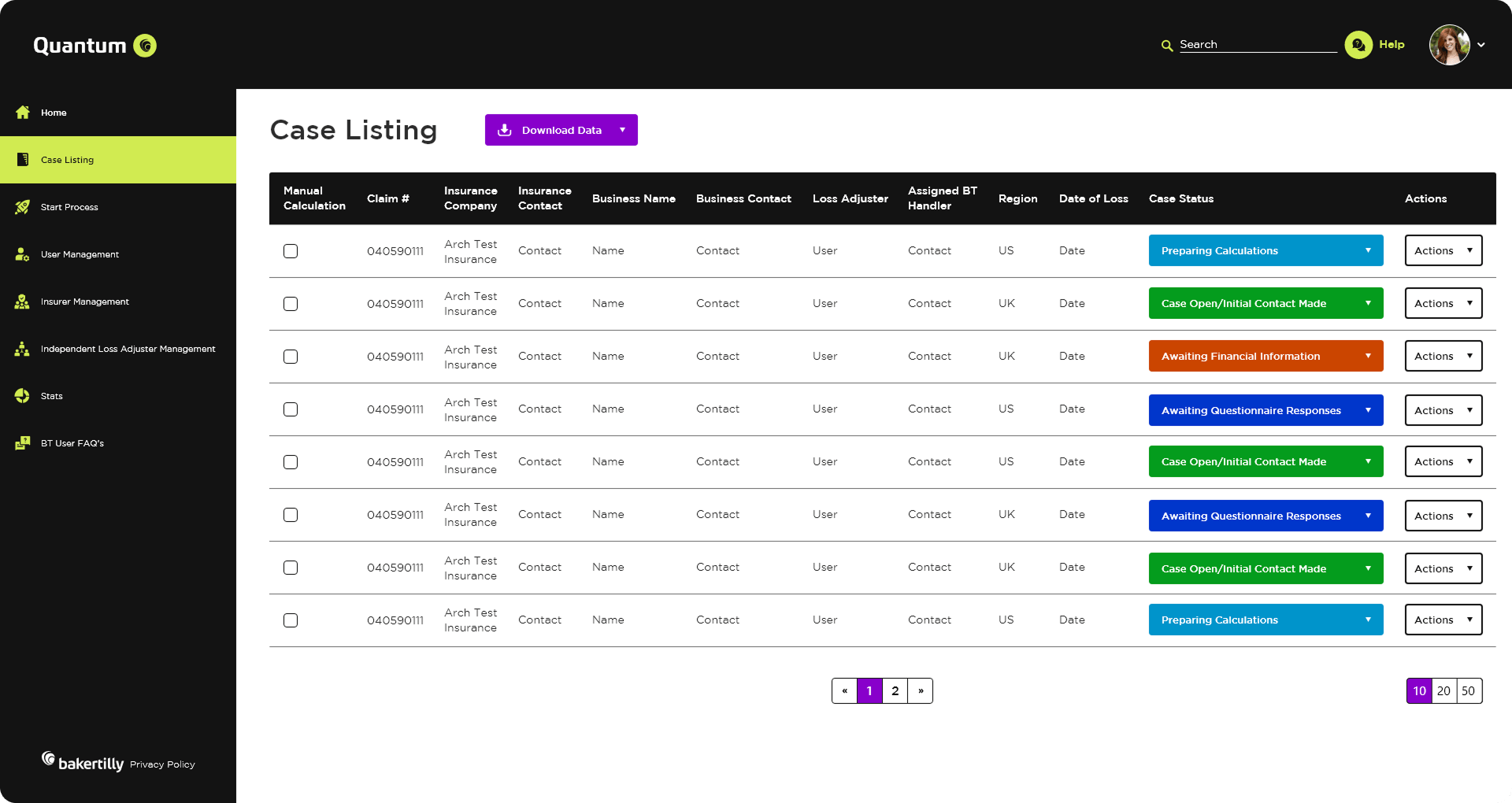
By combining functional clarity with visual consistency, the case listing screen enables users to stay focused on their workflow while reinforcing the Quantum brand through a clean, structured, and professional interface.
GUIDED DATA COLLECTION & ADAPTIVE FLOWS
Improving completion rates, reducing errors, and simplifying complex input through structured guidance.
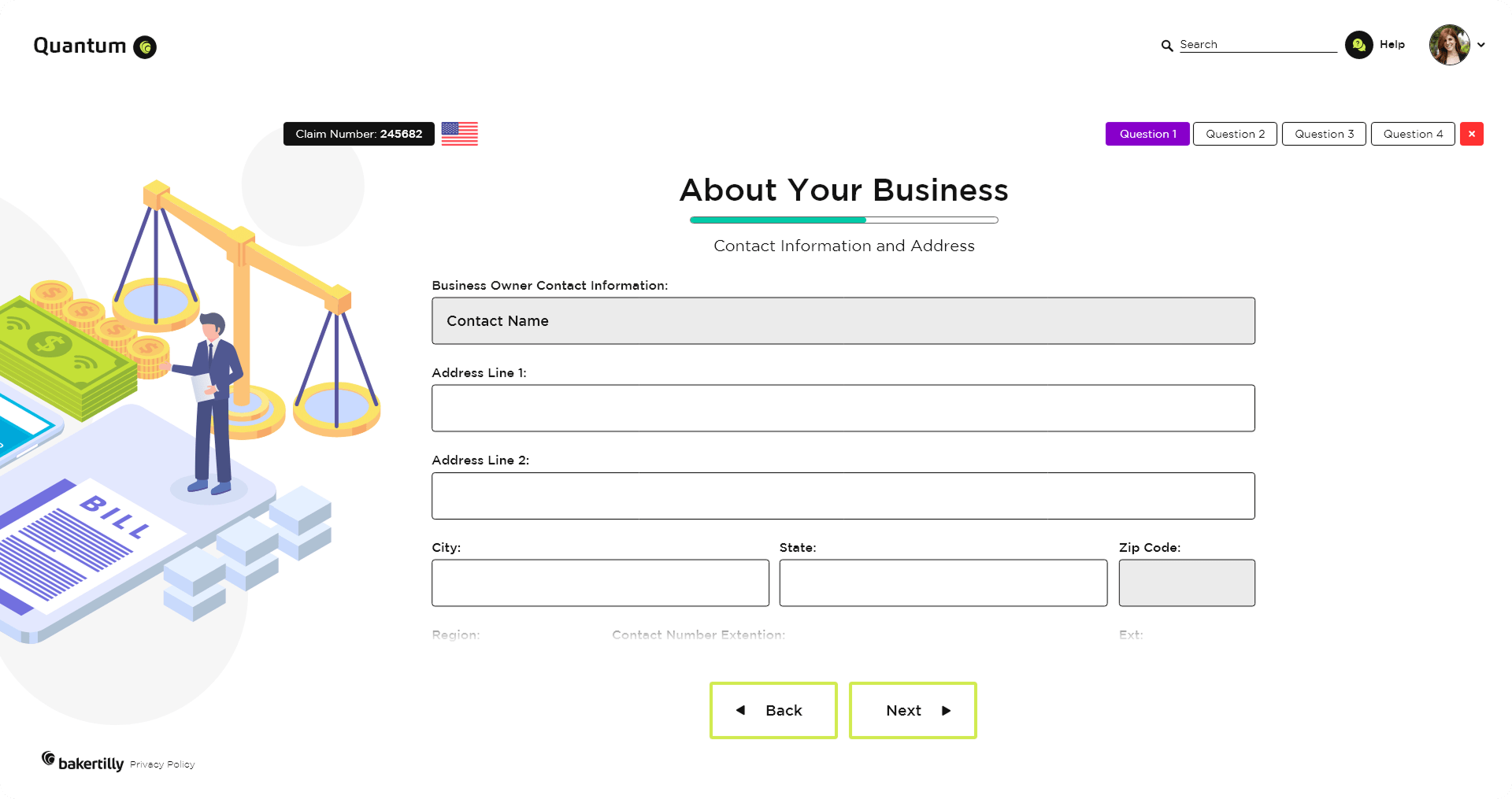
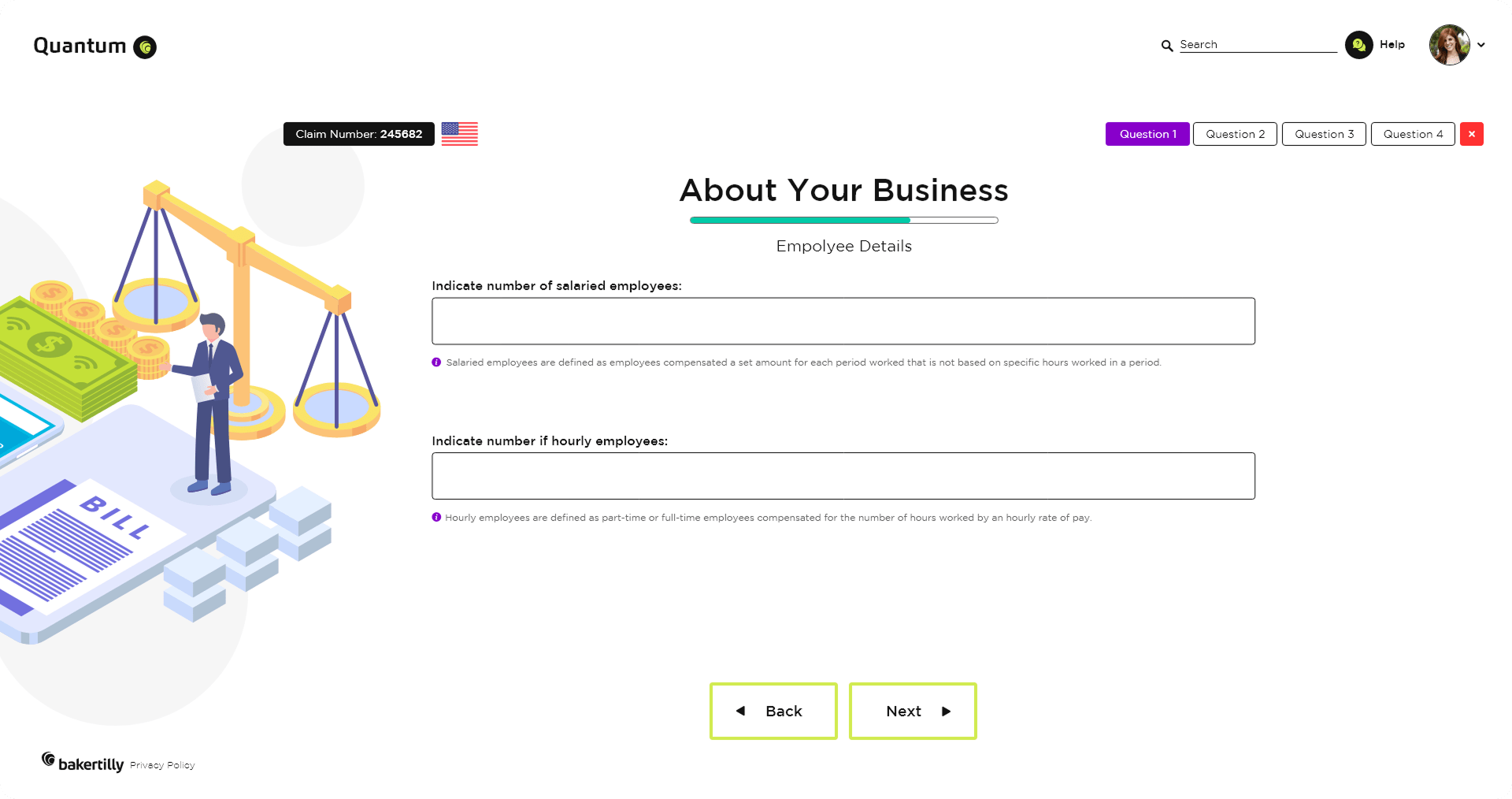
The questionnaire experience was designed to support accurate data collection while minimizing user effort. By introducing a guided, adaptive wizard, the flow was structured to reduce cognitive load, improve form completion, and increase confidence when navigating complex requirements.
UX / UI APPROACH
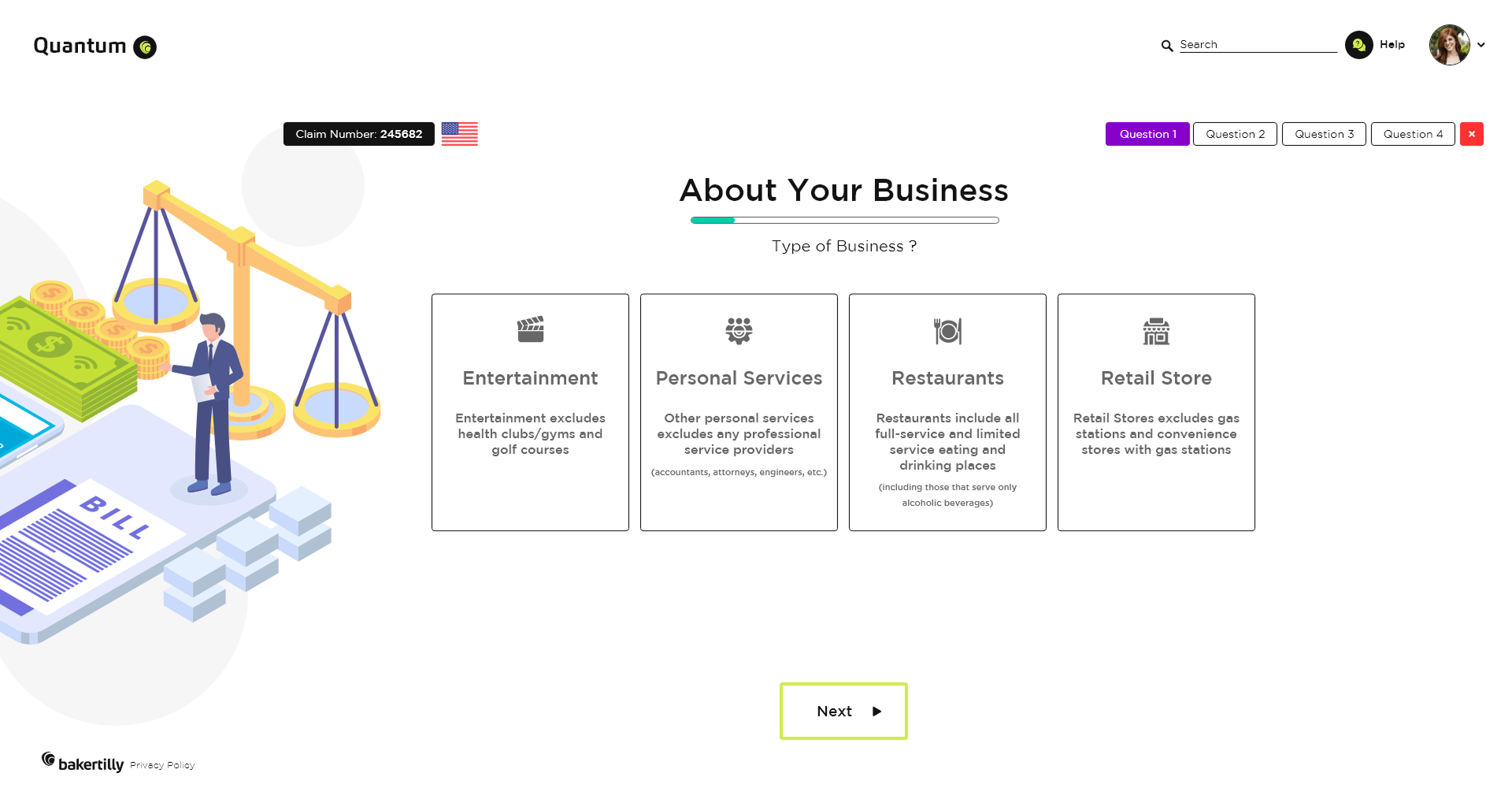
- Progressive Disclosure: Complex information is broken into manageable steps to prevent overwhelm and keep users focused on one decision at a time.
- Clear Hierarchy & Feedback: Visual hierarchy, progress indicators, and real-time validation help users understand their current position in the process and what’s required next.
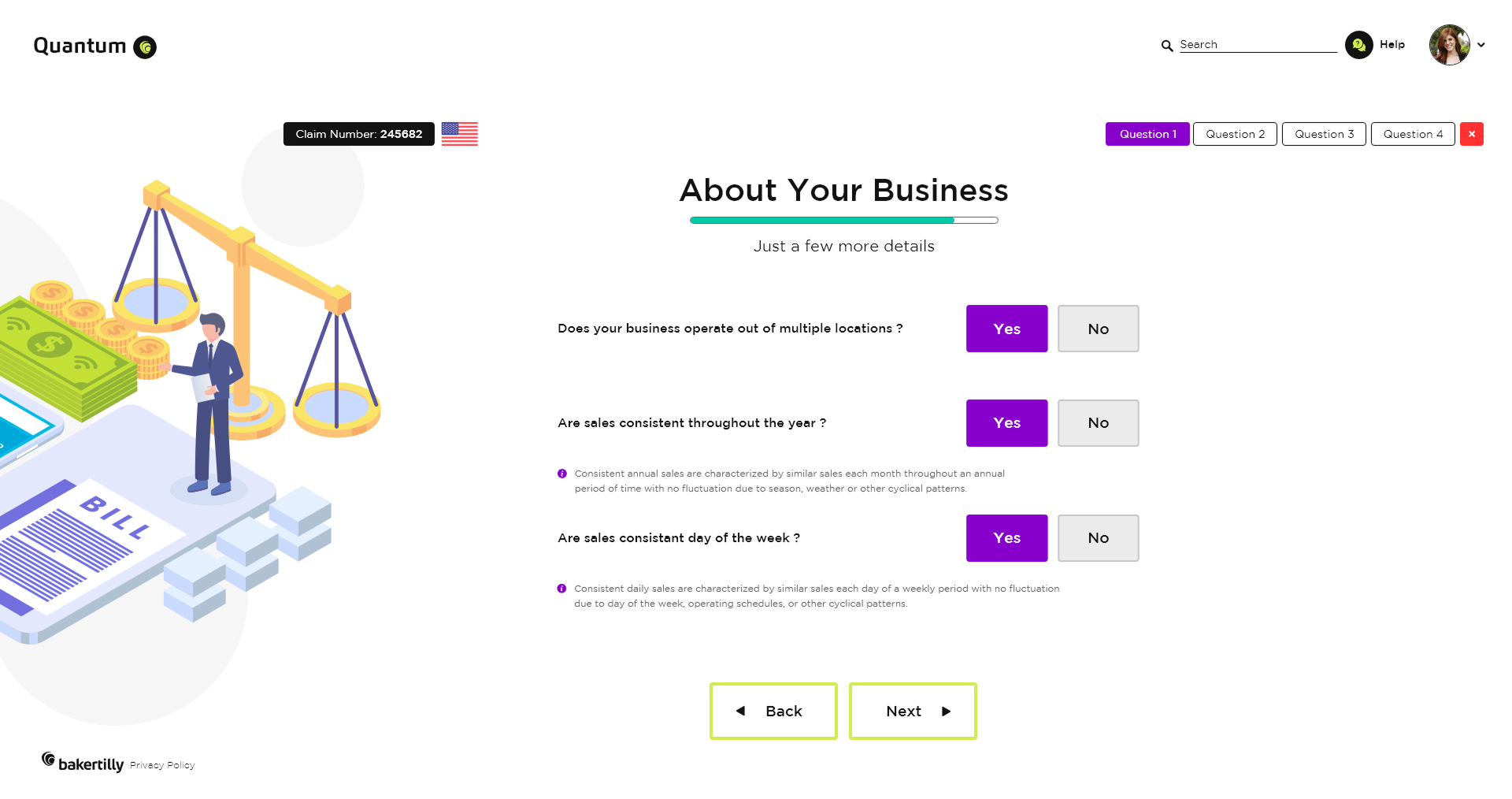
- Adaptive Logic: Region-based logic ensures users only see relevant questions, reducing unnecessary effort and shortening time-to-completion.
- Error Prevention Over Correction: Inline guidance and contextual pop-ups help prevent mistakes before they occur, improving data quality and reducing rework.
- Consistency & Predictability: Reusable components, consistent layouts, and familiar interaction patterns support faster learning and confident progression.
OUTCOME-FOCUSED GOALS
The interactive questionnaire wizard was designed to reduce form abandonment and improve data accuracy. Step-by-step navigation, clear progress indicators, and contextual prompts help users understand what’s required at each stage. Real-time feedback and validation reduce errors at the point of entry, minimizing rework and follow-up.
- Designed to reduce cognitive load during multi-step processes
- Designed to improve completion rates for complex questionnaires
- Designed to decrease input errors through real-time validation
The interactive questionnaire wizard was designed to reduce form abandonment and improve data accuracy. Step-by-step navigation, clear progress indicators, and contextual prompts help users understand what’s required at each stage. Real-time feedback and validation reduce errors at the point of entry, minimizing rework and follow-up.
Outcome-focused goals:
- Designed to reduce cognitive load during multi-step processes
- Designed to improve completion rates for complex questionnaires
- Designed to decrease input errors through real-time validation
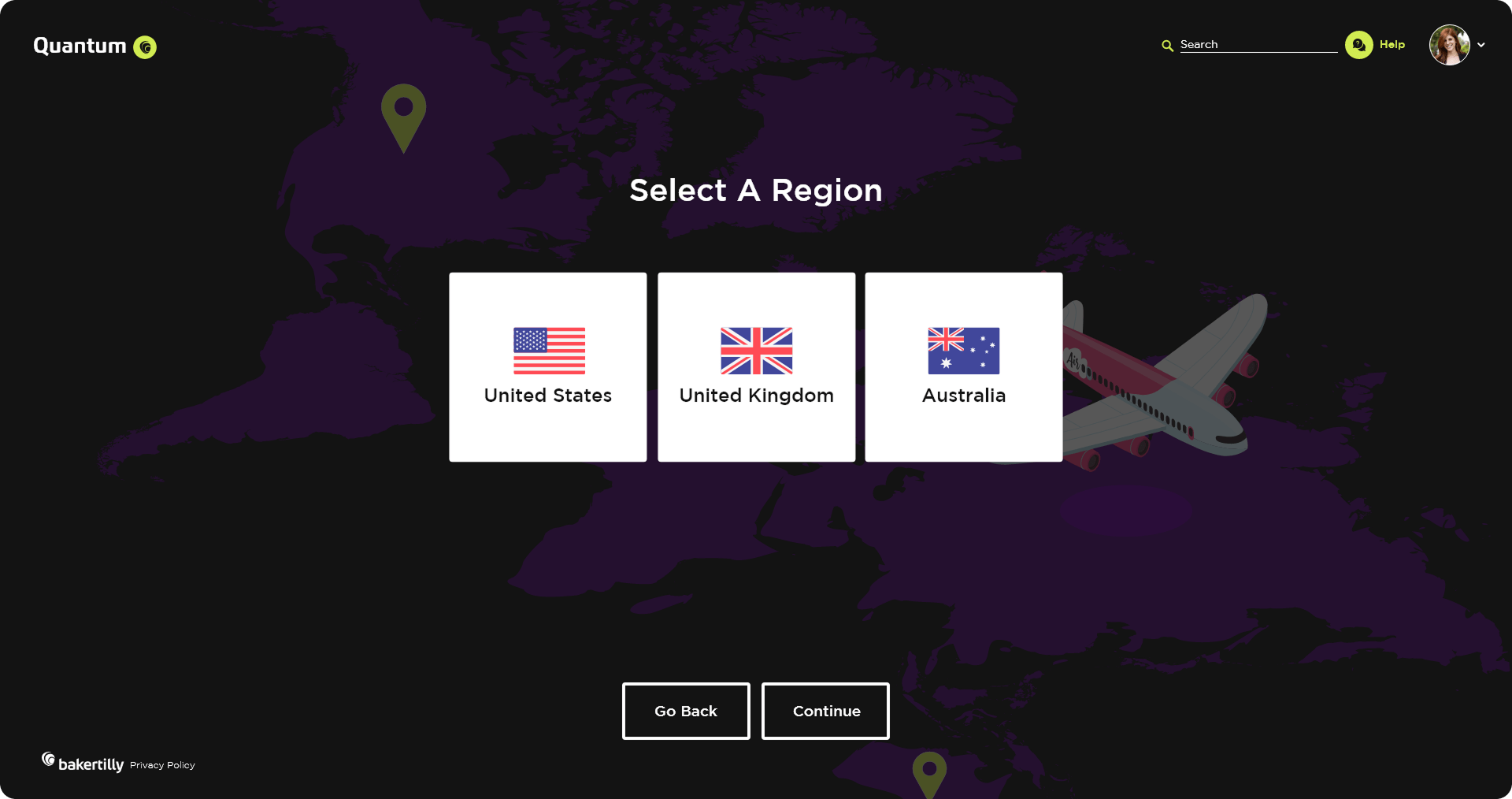
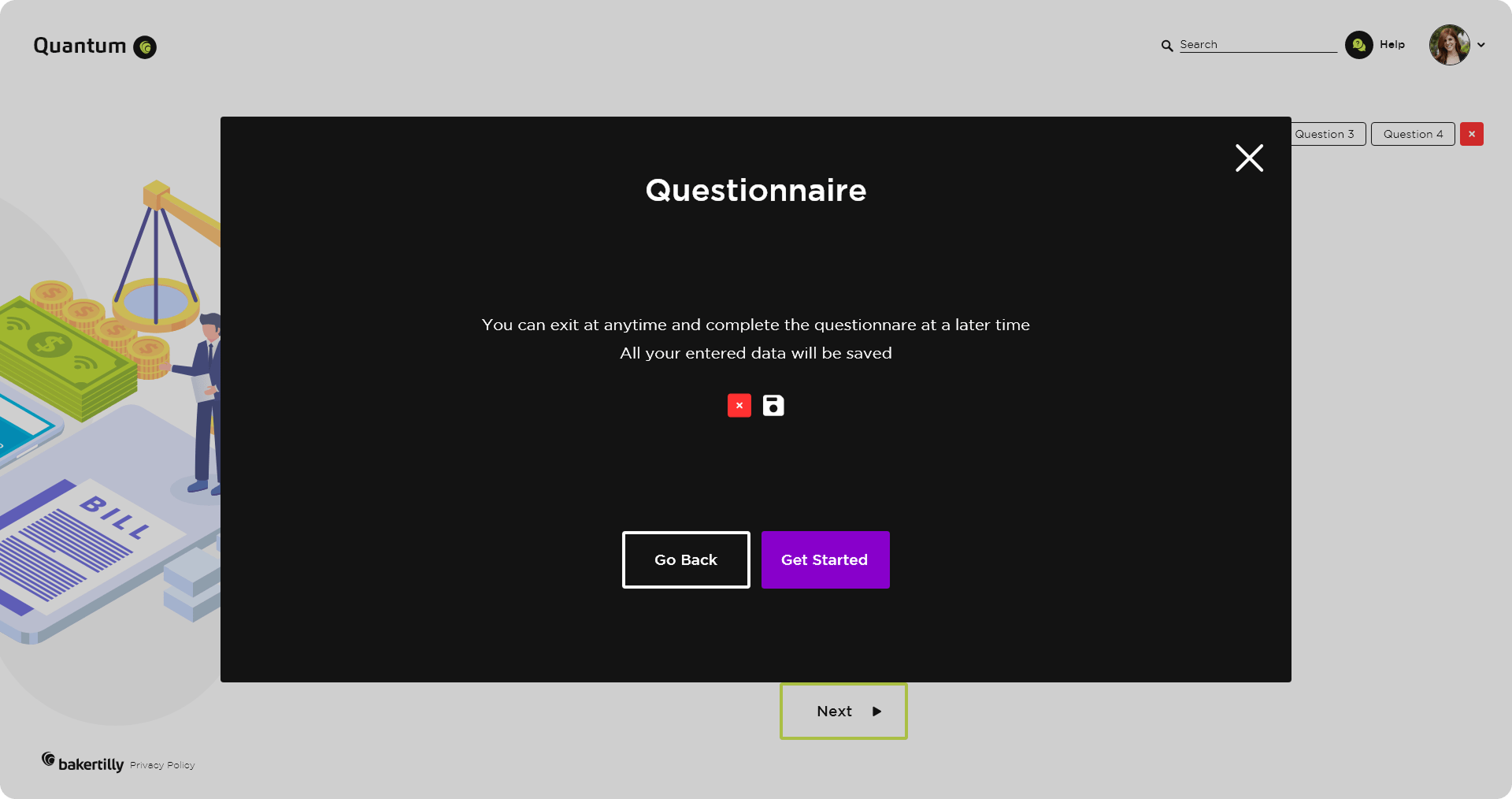
This section was structured to support faster comprehension and cleaner data capture. Questions are logically grouped and sequenced to align with user mental models, reducing hesitation and supporting confident progression.
Outcome-focused goals:
- Designed to improve scanability and question comprehension
- Designed to reduce hesitation and backtracking
- Designed to support consistent, high-quality data input
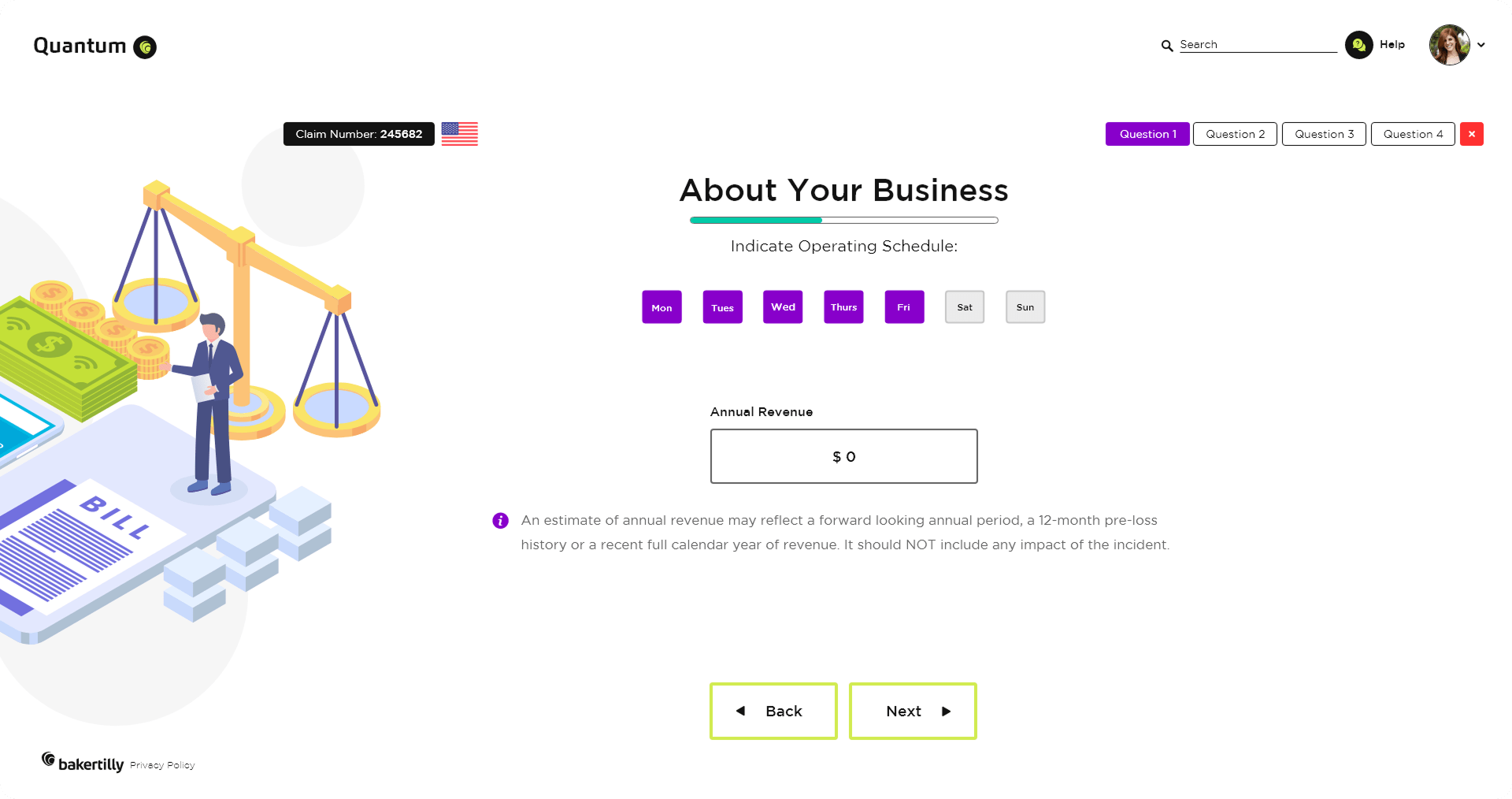
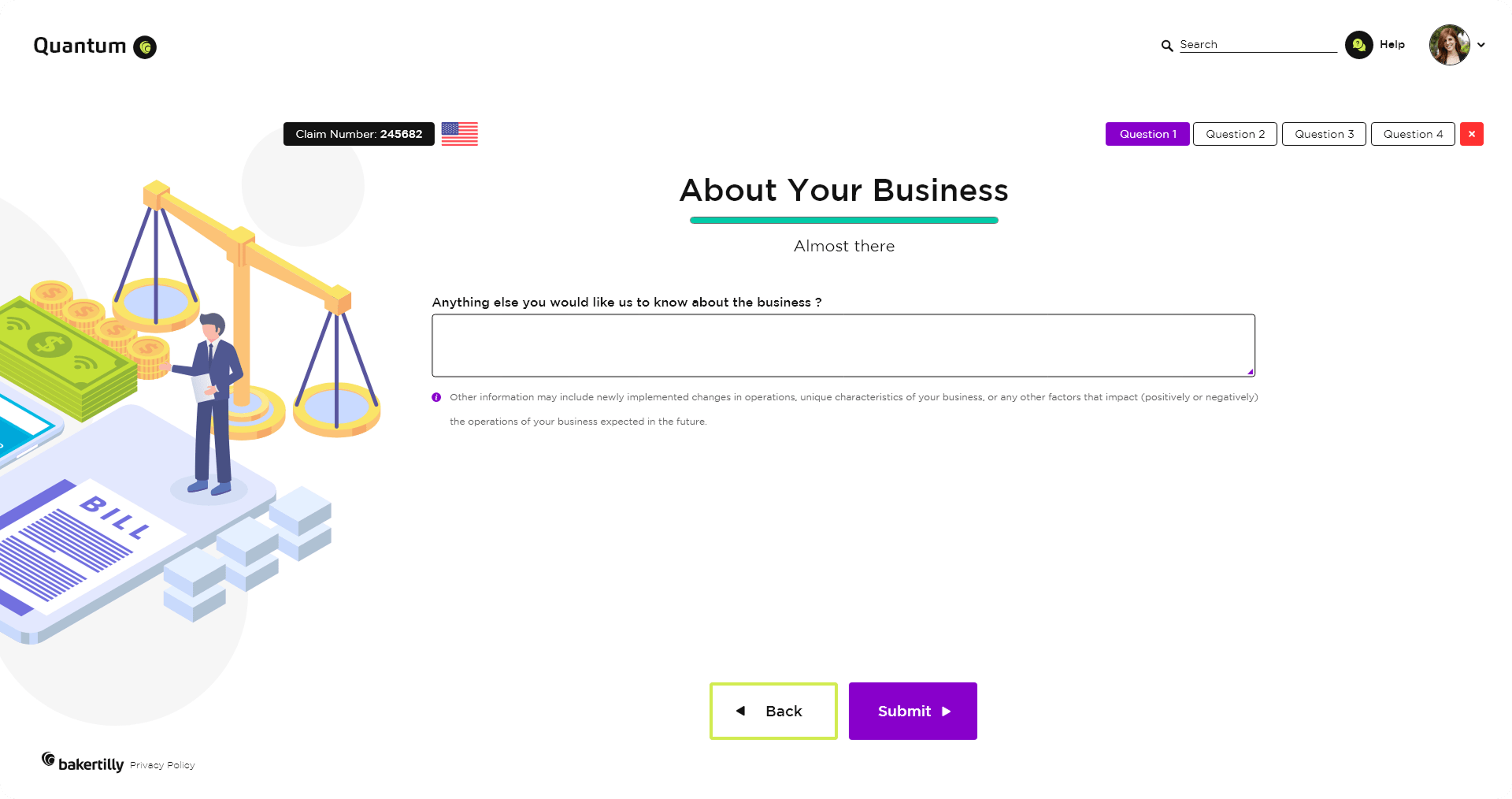
The loss event and impact flow addresses high-detail, high-stakes input by breaking information into manageable steps. Progressive disclosure and clear labeling help users stay focused, reducing overwhelm while supporting thorough, accurate responses.
Outcome-focused goals:
- Designed to reduce user fatigue during detailed data entry
- Designed to increase data completeness in complex scenarios
- Designed to support confidence in high-impact reporting tasks
20 – 30%
reduction in onboarding friction
25 – 40%
decrease in form input errors
15 – 25%
improved in task completion speed
30%
faster scanning of case data
20%
increase in user confidence
 VALUE ADDED
- Improved clarity and usability across critical platform entry points
- Reduced friction in complex, high-frequency workflows
- Enabled faster scanning, decision-making, and task execution
- Increased confidence and accuracy during data-heavy input processes
- Delivered a cohesive, scalable design system aligned with enterprise SaaS standards
 UX GOALS ACHIEVED (PROJECT-LEVEL)
- Reduced cognitive load across complex workflows
- Improved form completion and data accuracy
- Increased efficiency in high-volume case management
- Strengthened onboarding clarity and user orientation
- Created predictable, repeatable interaction patterns for daily use
- Balanced functional depth with a clean, professional interface
REFLECTIONS & KEY LEARNINGS
User-Centered Design
This project emphasized the value of designing from the user’s perspective at every stage. Creating intuitive navigation, clear prompts, and actionable layouts highlighted how thoughtful UX decisions can reduce friction and support users through complex workflows without overwhelming them.
Visual Hierarchy & Consistency
Maintaining a cohesive visual system across login, landing, case listing, and questionnaire experiences strengthened my understanding of how consistent typography, color usage, and spacing improve usability while reinforcing brand recognition across the platform.
Simplifying Complex Processes
Designing the questionnaire wizard demonstrated how breaking down intricate, multi-step processes into structured, guided flows can significantly reduce user frustration and improve engagement and completion confidence.
Iterative Design & Feedback
Prototyping and iterative refinement played a key role throughout the project. Feedback loops helped uncover usability gaps early, allowing designs to evolve based on real-world interaction patterns rather than assumptions.
Information Density & Space Management
The case listing screen reinforced the importance of spatial efficiency. Presenting large datasets in a clear, scannable format required careful hierarchy, alignment, and spacing decisions to avoid cognitive overload while supporting fast decision-making.
CHALLENGES I OVERCAME
Integrating Complex Functionality
Advanced behaviors—such as real-time validation, dynamic questionnaires, and filtering logic—required careful UX planning to ensure powerful functionality did not come at the cost of clarity or usability.
Designing for Multiple User Types
The platform needed to serve varied users, including business professionals and technical stakeholders. This was addressed by prioritizing universal design patterns, clear labeling, and predictable interactions that support broad accessibility.
Streamlining Workflow Bottlenecks
Key workflows—particularly entry points and case management—required restructuring to reduce unnecessary steps. Introducing focused layouts, clear calls to action, and consistent navigation improved overall task efficiency.
Maintaining Brand Alignment
Ensuring every screen reflected Baker Tilly Quantum’s professional, innovative brand required close attention to visual detail, tone, and adherence to brand guidelines while still optimizing for usability.
Working Within Technical Constraints
Platform and implementation limitations required design adaptability. Constraints were addressed through creative layout solutions, component reuse, and testing-driven refinements to maintain performance and responsiveness.